Cataract Surgery
Consultations offered at our three convenient locations in Farmington Hills, Garden City and Rochester Hills, MI

Cataract surgery is a procedure that removes a cloudy natural eye lens and replaces it with a clear artificial intraocular lens. When cataracts become a significant vision obstruction, surgery presents an effective solution for regaining sharp sight.
Dr. Mazin Yaldo is a board-certified ophthalmologist and highly trained laser surgeon who leads Yaldo Eye Center. He utilizes the latest technology and techniques in vision correction surgery to treat a variety of eye conditions, helping countless patients improve their sight. If a cataract is creating blurry vision or sensitivities to light, contact us online or call our office at (248) 553-9800 to schedule a consultation and explore how you can benefit from surgery.
Contents
About Cataract Surgery
Cataracts form when the eye’s natural lens opacifies. Often, this results from aging affecting contrast and color perception, eventually leading to vision loss. (1) A cataract is a clouding of the normally clear natural lens inside your eyes that sits behind the iris and pupil. Cataract surgery removes the cloudy lens and replaces it with an artificial intraocular lens. This procedure creates clearer vision, diminishes halos around lights, and enhances vision in bright settings or at night.
Upgrade Your Cataract Surgery with Multifocal Lens Implants
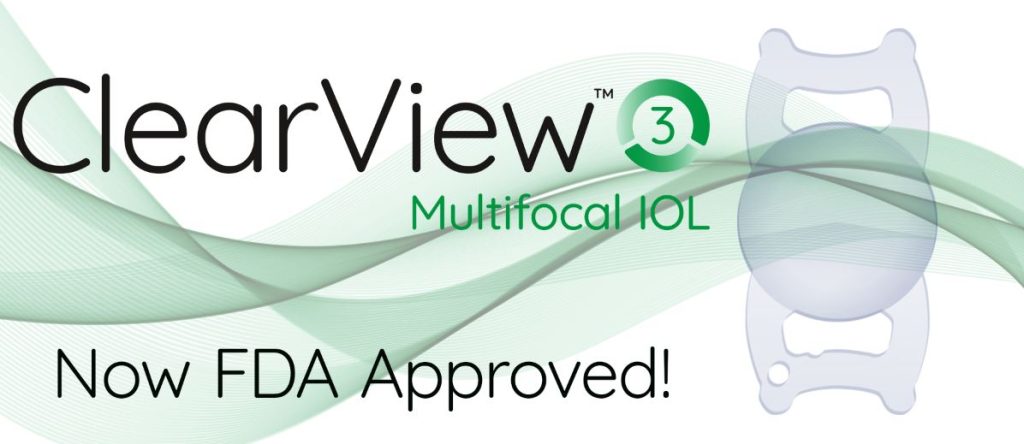
Multifocal lenses are a remarkable improvement over previous lens technologies. Artificial lenses corrected only distance vision, leaving cataract patients with a need for reading glasses for near vision assistance. Multifocal lens implants are able to replace your natural lenses and restore distance and reading vision. Standard lenses only correct vision at a single distance, but multifocal lenses feature multiple zones to enhance vision at near and far distances.
Benefits
Patients often report improved quality of life after enhancing their eyesight with cataract surgery. Common benefits include:
- Sharper vision
- Vivid color perception
- Safer driving
- Night vision improvements
- Refractive corrections
Candidates
If a cataract is causing blurry or cloudy vision that significantly interferes with your daily life, such as while driving at night, seeing clearly into further distances, reading, or watching television, cataract surgery is ideal for you. Most patients are 55 or older, as cataracts are most common among this demographic. To qualify for surgery, you should be in good general health and hold realistic expectations regarding your outcomes. Dr. Yaldo will determine your candidacy after an eye exam and consultation.
Personal Consultation
You will explore your cataract surgery possibilities at a personal consultation. Here, Dr. Yaldo will evaluate your medical history, examine your eyes, and assess your cataract development. He will also perform a visual test to see how well you read charts, check the internal structures of your eyes, and measure your eye with specialized tools that map shape and size to calculate your artificial intraocular lens. With this information, he will personalize a cataract surgery plan to your unique case. During this meeting, he will also address any questions you may have, allowing you to enter treatment with confidence. To schedule your consultation, contact us online or call our offices in Farmington Hills, Rochester Hills, and Garden City at (248) 553-9800.
Preparation
Effectively preparing for your cataract surgery ensures a successful procedure. Dr. Yaldo advises that you:
- Avoid wearing contact lenses for at least one week prior to your procedure
- Use prescribed antibiotic or anti-inflammatory eye drops to prevent infection
- Arrange transportation home from your procedure
- Pause blood-thinning medications (if advised)
- Avoid alcohol or nicotine use ahead of your procedure
- Take time away from your career and other responsibilities to recover comfortably
Dr. Yaldo will provide additional instructions specific to your medical history and treatment plan. You must follow all guidelines closely, as they will optimize your treatment outcomes.
Procedure
You will receive numbing eye drops at the beginning of your procedure to reduce discomfort, though you will remain awake during the surgery. Dr. Yaldo will begin your procedure by making a tiny incision at the edge of your cornea. After, he will create a precise circular opening in the thin, clear membrane holding your natural lens to access the cataract. Next, he will utilize an advanced ultrasound probe to break the cloudy lens into tiny fragments, which he will then suction out. After this important step, Dr. Yaldo will take the artificial intraocular lens and fold it up to pass through the tiny incision and unfold it into the empty lens capsule. Once he replaces the lens, he will ensure that the lens replacement lays flat in its new position before placing a protective shield over your eye for recovery. The small corneal incision will close naturally without the need for stitches.
Recovery
Immediately after your procedure, you will return home to rest. You must continue to wear your protective eye shield at all times, even while sleeping, to prevent accidental rubbing. You will also need to avoid bending over and showering until the second or third day of surgery, keeping soap and water away from your eye area. You may also use your prescribed eye drops to relieve some discomfort. After the first week, you will likely experience sun and light sensitivity, but wraparound sunglasses will protect your eyes against dust and glare. You must also refrain from wearing makeup or applying lotions near the eyes. By the third and fourth week, your vision will become sharper and more consistent, and you will be able to resume daily activities like regular exercise and driving. During this time, Dr. Yaldo will also take a final evaluation of your vision to determine if you still need corrective glasses or if the cataract surgery is sufficient.
Results
The complete healing process takes about four to six weeks. After replacing the cloudy, natural lens with a clear intraocular lens, your vision will be sharper and more crisp with better color perception and less glare. In some cases, patients also reduce their reliance on glasses.
Secondary Cataracts
A “secondary” cataract can appear after an initial cataract surgery as a cloudy membrane. It can develop months or years after you receive an original cataract surgery and an intraocular lens. Although the incision from your original surgery heals quickly, it is common for the capsule to produce visible cells, which can blur and cloud your vision. You may think that your cataract is back, but this is classified as a secondary cataract. Approximately 40% of cataract patients experience this post-operative condition. To remove the secondary cataract, you will receive a YAG laser capsulotomy, which uses quick pulses of cold laser energy to clear up the cloudy membranes of the secondary cataract without affecting your intraocular lens. After eliminating the membranes, more light will reach your retina and improve your vision.
Corresponding Procedures
As one of Michigan’s leading ophthalmologists, Dr. Yaldo offers a wide variety of vision enhancement procedures.
LASIK
LASIK is a laser eye surgery that reshapes the cornea to correct refractive errors such as nearsightedness, farsightedness, and astigmatism. (2) This is an ideal solution for enhancing vision clarity and reducing reliance on glasses. LASIK can also serve as a “tune-up” a few weeks or months after cataract surgery to fine-tune your vision and correct any focusing concerns.
LASEK and PRK
LASEK and PRK are two laser procedures that focus on reshaping the cornea to help light focus properly on the retina (tissue at the back of the eye). These procedures improve vision and reduce dependence on glasses or contact lenses. (3) (4) These are a great option after cataract surgery to fine-tune any lingering nearsightedness or to enhance visual clarity.
Cost of Cataract Surgery in Farmington Hills, MI
The cost of your cataract surgery depends on the scale of your procedure, the severity of your cataracts, your specific lens requirements, and more. Dr. Yaldo will provide a detailed cost outline during your personal consultation, as well as address any questions or concerns you may have. To explore the cost of your cataract surgery, contact us online or call our office at (248) 553-9800 to schedule your personal consultation.
FAQ
What is cataract surgery?
Cataract surgery is a procedure that removes the eye’s natural lens once it becomes cloudy and replaces it with a clear artificial lens. It is ideal for restoring sharp vision, especially when cataracts significantly interfere with daily life.
How can cataract surgery repair vision loss?
Cataract surgery repairs vision loss by removing the eye’s cloudy natural lens and replacing it with a clear and artificial lens. This removes the protein buildup that causes blurriness and replaces the lens to enhance vision.
What is the cost of cataract surgery?
The cost of your cataract surgery depends on how complex your eyesight concerns are. Dr. Yaldo will provide a detailed cost outline for your procedure during your personal consultation.
Are the results from cataract surgery permanent?
Cataract lenses can last a lifetime because they do not degrade, wear out, or become cloudy over time. This allows you to have sharp vision long-term.
References
- Lapp T, Wacker K, Heinz C, Maier P, Eberwein P, Reinhard T. Cataract surgery—indications, techniques, and intraocular lens selection. Deutsches Arzteblatt International. Published online May 30, 2023. doi:https://doi.org/10.3238/arztebl.m2023.0028
- Moshirfar M, Bennett P, Ronquillo Y. Laser In Situ Keratomileusis. PubMed. Published July 24, 2023. https://www.ncbi.nlm.nih.gov/books/NBK555970/
- Dastjerdi MH, Soong HK. LASEK (laser subepithelial keratomileusis). Current opinion in ophthalmology. 2002;13(4):261-263. doi:https://doi.org/10.1097/00055735-200208000-00014
- Somani SN, Moshirfar M, Patel BC. Photorefractive Keratectomy. PubMed. Published 2023. https://pubmed.ncbi.nlm.nih.gov/31751077/